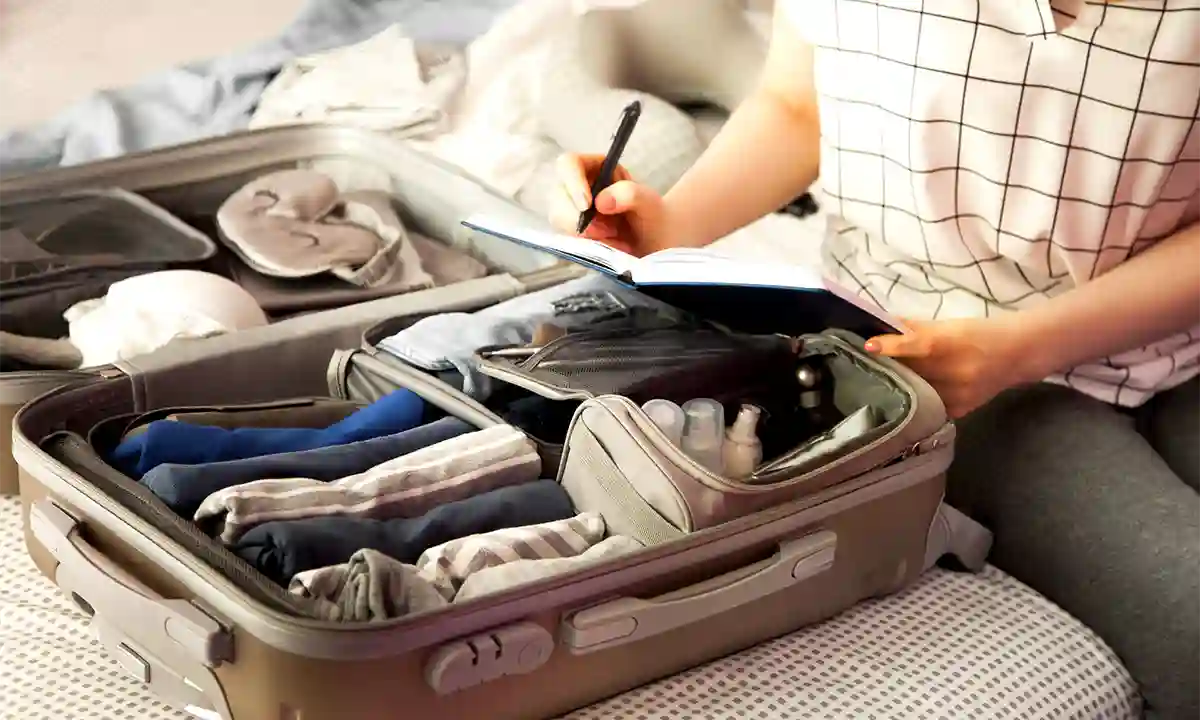
Most travelers feel prepared once their suitcase is zipped and their boarding pass is downloaded. Outfits are planned, liquids are decanted, calendars are cleared. And yet, by the time they reach the airport, many already feel tense, rushed, and physically uncomfortable. That’s because packing is logistical preparation. It does nothing for the physical and mental state you bring into the journey. True travel preparation isn’t just about what you carry. It’s about how your body feels, how your nervous system responds, and whether you arrive calm or already depleted before you even board the plane.
At Be Relax Spa, airport wellness is designed around this exact idea — that airport time is not dead time, but part of the travel experience itself.
Why Most Travelers Prepare the Wrong Way
Modern travel culture prioritizes efficiency over wellbeing. Preparation usually looks like detailed packing lists, outfit planning, last-minute document checks, and rushing to arrive “early enough.”
What’s missing is any preparation for how flying actually affects the body.
Very few travelers plan for muscle tension, mental overload, or the stress accumulated in the days leading up to departure. As a result, many arrive at the airport with time to spare, yet already operating in a heightened state with tight shoulders, shallow breathing, and a restless nervous system.

What Actually Happens to Your Body Before a Flight
Physical stress doesn’t start in the air. It starts well before boarding.
The night before a flight often involves poor sleep, early alarms, and mental checklists that keep the nervous system in “alert mode.” Research from Harvard Health shows that prolonged stress keeps cortisol levels elevated, making it harder for the body to relax and recover, even when sitting still.
By the time travelers reach the terminal, many are already carrying:
- Neck and shoulder tension
- Tight hips and lower back
- Shallow, rushed breathing
- Mental fatigue before the journey even begins
Flying stress is cumulative. Boarding in a tense state makes the flight itself feel longer and more uncomfortable.
The Airport as Part of the Wellness Journey
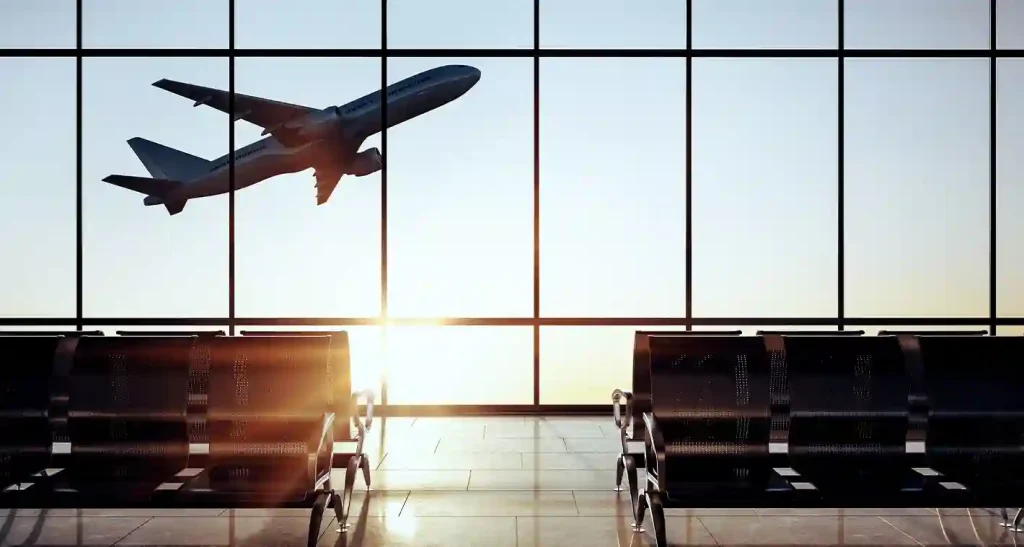
Airports are often treated as places to endure rather than engage with. But in reality, they are transition spaces — moments where the body and mind shift from everyday life into travel mode. For many travelers, early arrival creates a window of opportunity. That time can either be filled with scrolling, pacing, and overstimulation, or it could be used intentionally.
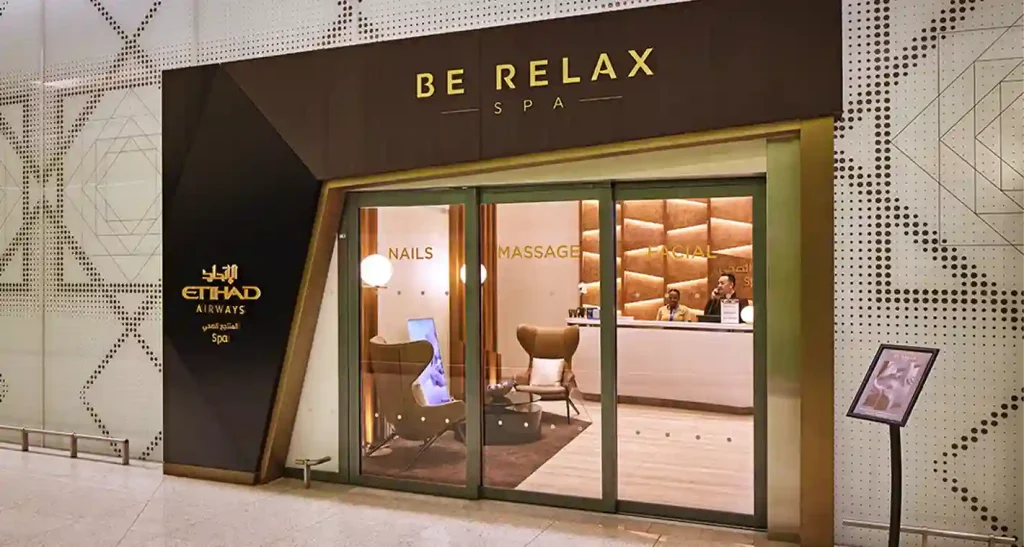
Instead of waiting to “recover” after landing, visit Be Relax Spa, where you can prepare your body before the flight begins, inside the terminal itself.
Why Airport Spa Massage Fits Modern Travel
A massage in a spa at the airport works because it fits seamlessly into real travel behavior.
Be Relax’s services are:
- Time-efficient, designed around boarding schedules
- Tailored to travelers, not destination tourists
- Easy to integrate without changing travel plans
For travelers moving through major hubs, a massage at our Abu Dhabi Airport or Dubai Airport locations is a practical upgrade that respects time constraints, constant movement, and the realities of modern travel.

How Travelers Use Airport Massage to Prepare, Not Recover
Airport massage is often misunderstood as something you do after the damage is done. In reality, many travelers use it to prepare.
At Be Relax Spa, travelers choose pre-flight massage to:
- Release tension before it compounds during the flight
- Calm the nervous system before boarding
- Feel grounded instead of overstimulated
- Start the journey feeling settled, not exhausted
Even a short session can meaningfully change how a long-haul flight feels, especially for frequent flyers and business travelers who move quickly from airport to meeting.
Preparation Is More Than Packing
Packing prepares your luggage. Wellness prepares you.
At Be Relax Spa, airport wellness is about helping travelers arrive at the gate already calm, centered, and physically prepared instead of arriving tense and depleted. As travel becomes faster and more frequent, preparation is no longer just about what you carry. It’s about how you feel when the journey begins.
Sometimes, the most important preparation happens after security, not the night before.