HOW TO SURVIVE A LONG HONG KONG LAYOVER WITHOUT FEELING TIRED


Long-haul travel takes a toll on your body, and anyone who’s spent the night wandering an international terminal knows how tough an overnight connection can be. For long-distance travelers flying through Hong Kong Airport, long layovers often mean cold air conditioning, bright lights, and uncomfortable seating that leaves you feeling tired. The biggest challenge isn’t just killing time; it’s protecting your physical and mental energy so you don’t arrive at your destination completely exhausted.
The Long Layover Effect on the Body
The reason so many of us struggle on extended layovers comes down to how travel affects our internal clock and muscles. According to Sleep Foundation guidelines on circadian sleep health, uninterrupted sleep and low-light environments are crucial for helping your brain reset across time zones. Sitting upright for hours compresses your spine and tightens your legs, while bright terminal lights trick your nervous system into staying on high alert. That’s why simply finding an empty chair won’t help. To fix this, you need an active strategy.
Navigating the Terminal and Finding Your Space
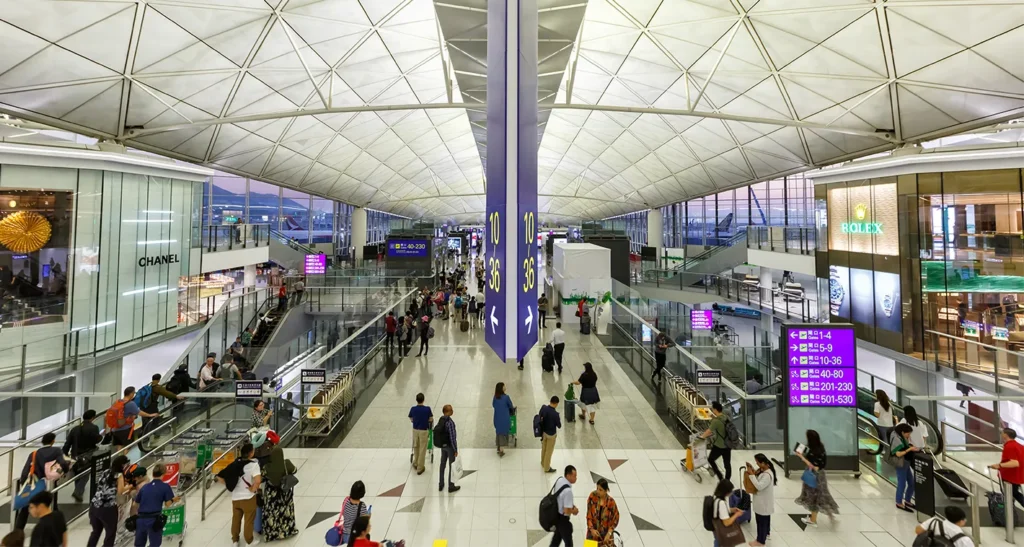
Once you pass through security transit, head down toward the central departure gates. Terminal 1 is huge, and walking from one end to the other takes time, especially if you’re carrying heavy bags.
Instead of roaming aimlessly, take care of your basics right away. Grab some water to stay hydrated, stretch your legs to relieve cabin stiffness and make sure to locate your gate area early. Once you are all set grab a light and calming meal at one of the 24-hour dining spots.
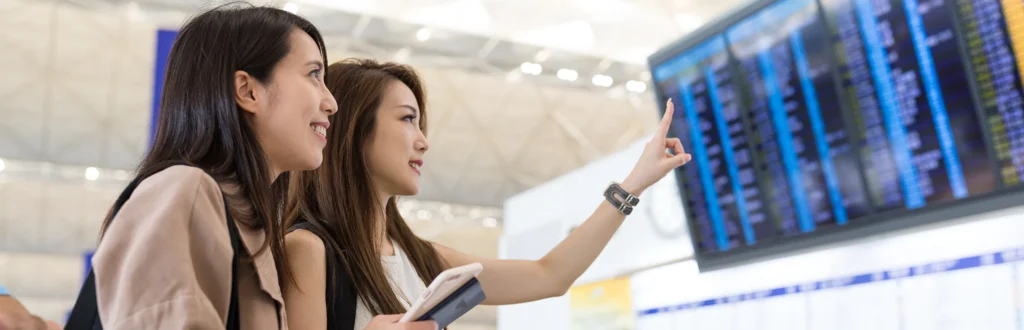
Keeping your physical movement intentional prevents you from burning whatever energy you have left. When you need a guide to orient yourself or want to check local amenities, you can look at the airport map to make your transit as easy as possible.
Why Booking Private Suites is the Best Solution
The common instinct during a long layover is to look for an empty row of chairs near a vacant gate. But we’ve all been there: announcements play over speakers every twenty minutes, cleaning crews work nearby with floor buffers, and bright lights shine straight into your eyes. You wake up every half hour, worried about your belongings and with body pain.
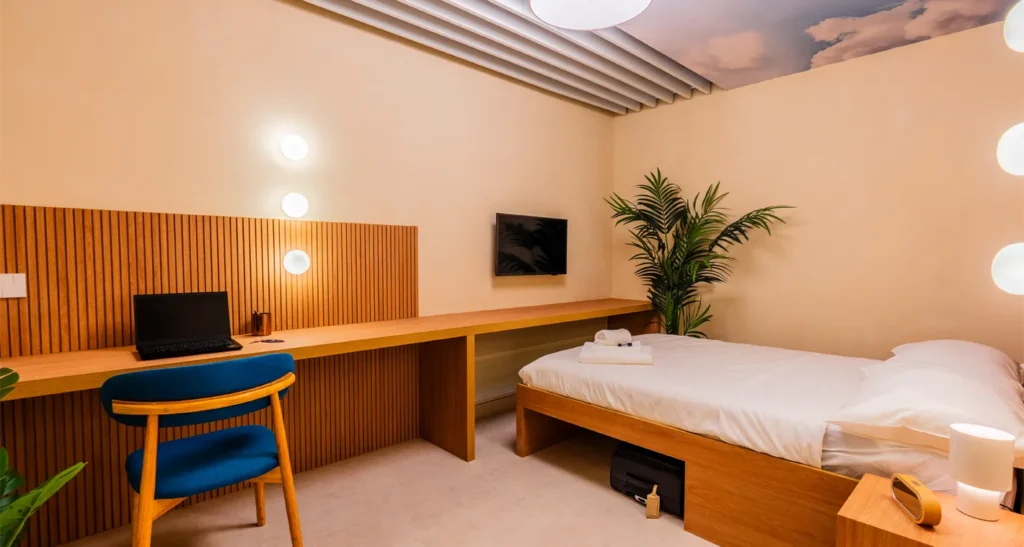
Investing in dedicated airport suites solves these issues instantly. Booking Be Relax privates suites gives you a secure door, a dark room, and a real bed where you can fully unwind. As Cleveland Clinic research on posture and circulation points out, lying completely flat helps reduce spinal compression and lets your blood circulate normally after hours of cramped flying. Our suites are built specifically to counter traveler fatigue. We focus on clean air, gentle lighting, sound insulation, and comfortable bedding so your mind gets the signal that it’s safe to rest. You don’t have to hug your backpack in your sleep or worry about someone walking past your personal space. You get the privacy you need to shower, change into fresh clothes, and fall into a deep, restorative sleep before your morning departure.
Pairing Your Rest With a Visit to our airport Spa
What truly differentiate us is the direct connection between our resting rooms and our wellness facilities. Before you lay down to sleep, or right after you wake up, you enjoy a shower or go straight into our airport spa for a session focused on relieving flight tension.
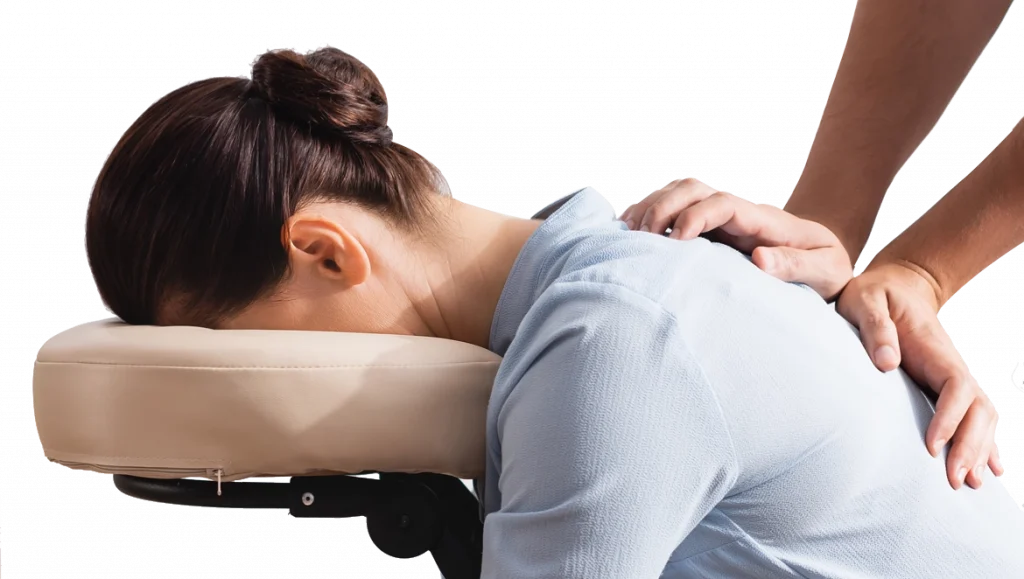
Long flights cause fluid retention in the feet and tight knots across the upper back and shoulders. You can treat yourself to revitalizing chair massage treatments that target stiff muscles and boost your circulation in as little as fifteen minutes. If you want to keep that relaxation going on your next leg, you can pick up ergonomic memory foam travel pillows to support your neck on the plane. Combining a good sleep with focused relaxation guarantees you walk to your next gate feeling completely refreshed instead of exhausted.
Conclusion: Your Strategy for a Better Journey
Rest isn’t a luxury you should save for after your trip ends—it’s a critical part of traveling well. An overnight connection doesn’t have to leave you struggling through brain fog and body aches for the next three days. By skipping the noisy terminal benches and resting in comfortable suites, you give your body the care it needs to bounce back quickly. Prioritize your comfort, get the rest you need at HKG near Gate 40, and land ready to take on whatever comes next.