RED-EYE SURVIVAL: HOW TO PREPARE YOUR BODY AND MIND FOR AN OVERNIGHT FLIGHT


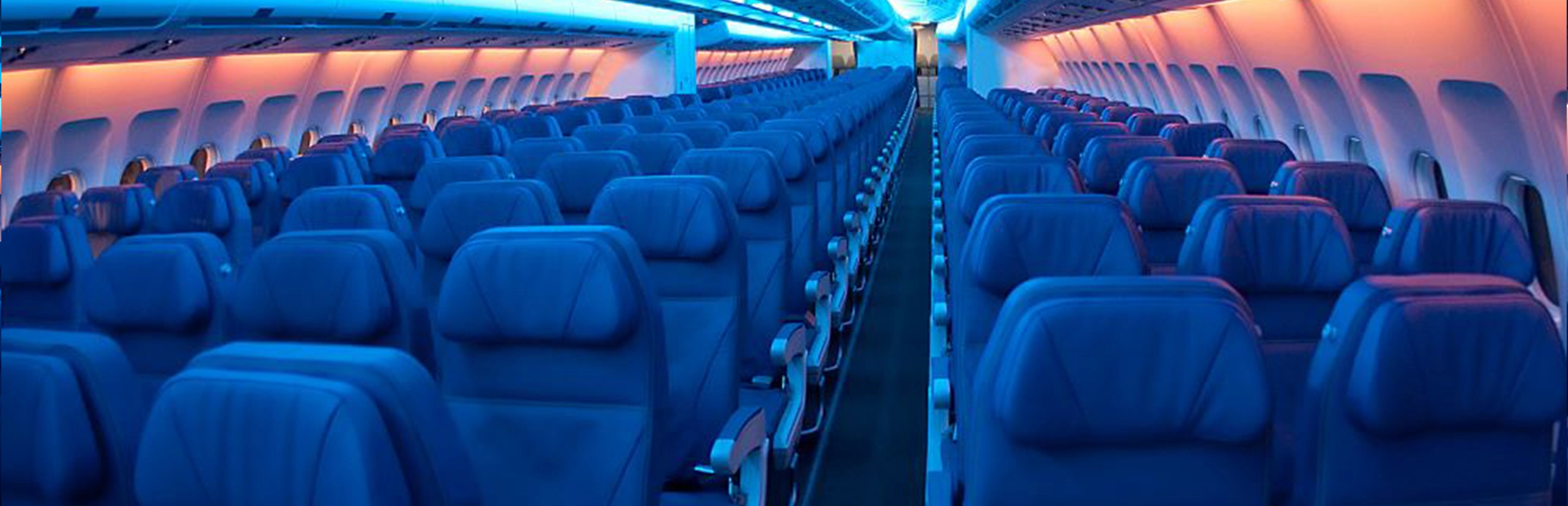
Boarding a red-eye tonight? You already know the drill: dim cabin lights, a seat that isn’t quite a bed, and a wake-up call at your destination whether you slept or not. Overnight flights promise a head start on your trip, but they only pay off if you actually rest somewhere over the ocean or the interstate.
The good news is that a little preparation goes a long way. Red-eye and long-haul flights are hardest on the body when you arrive already tense, dehydrated, and wired from a rushed departure. Easing tension before your flight can help you rest more comfortably in the air, without the constant seat-shifting and stiffness.

Here’s how to get your body and mind ready for takeoff and why a stop at an airport spa might be the smartest pre-flight decision you make.
Why Overnight Flights Are So Hard on the Body
A red-eye asks your body to do something unnatural: fall asleep sitting upright, in a dry, pressurized cabin, on a schedule that has nothing to do with your normal bedtime. Add in the muscle tension from lugging bags through security and cramming into an economy seat, and it’s no surprise so many travelers land feeling worse than when they left.
Two things work against you on an overnight flight:
- Your circadian rhythm. This is your body’s internal 24-hour clock, and it relies heavily on light exposure to know when to feel alert versus sleepy. According to the Sleep Foundation, jet lag and travel fatigue occur when your internal clock falls out of sync with your flight schedule or destination time zone, which is exactly what a red-eye asks it to do.
- Muscle tension. Stress and long periods of stillness both cause muscles especially in the neck, shoulders, and lower back to tighten. That tension can make it physically harder to settle into sleep, even when you’re exhausted.

Understanding these two forces is the first step to working with your body instead of against it.
Prepare Your Body Before You Board
Sitting for six, ten, or fourteen hours straight is rough on your circulation and your joints. Before boarding, spend a few minutes doing simple movements:
- Shoulder rolls and neck stretches to release tension carried from the day
- Calf raises and ankle circles to support healthy blood flow
- A short walk through the terminal instead of sitting at the gate the whole time
Cabin air is notably dry, and dehydration can add to fatigue and make it harder to fall and stay asleep during your flight. Rather than reaching for a pre-flight cocktail, choose water, herbal tea, and light snacks, as alcohol may make you drowsy initially but can disrupt sleep quality later. The CDC also recommends staying hydrated and limiting alcohol during travel.
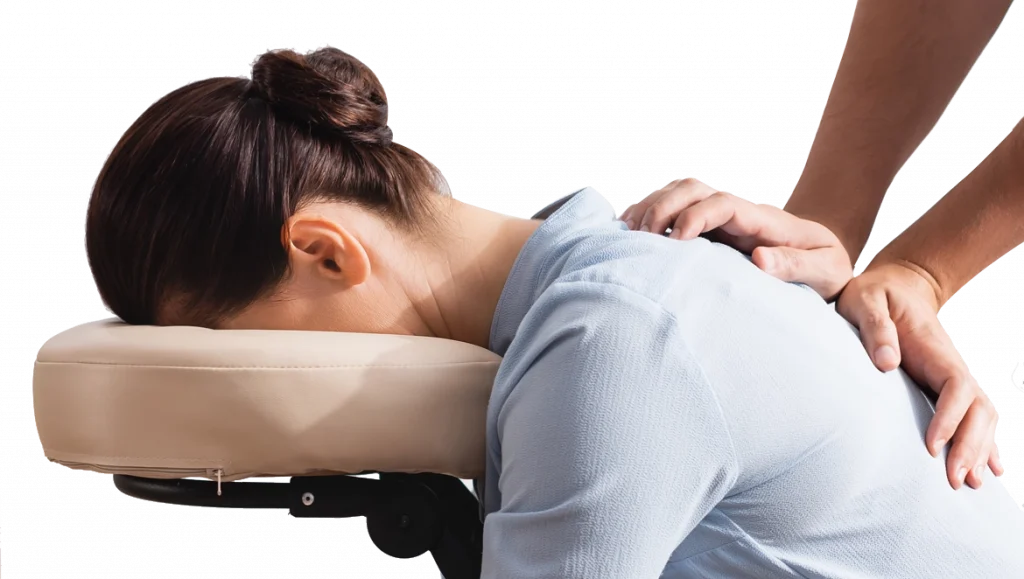
For an added boost of relaxation, consider a quick massage before you fly. Massage therapy can help reduce stress, pain, and muscle tension, making it a practical option before spending hours in a cramped seat. Even a 15 or 20-minute chair massage focused on the neck, shoulders, and back can help ease stiffness before takeoff.

This is exactly the kind of pre-flight relaxation Be Relax was built around. As a well-known airport spa option, Be Relax offers quick spa massage and wellness treatments from express chair massages to full table sessions designed to fit into your layover or pre-boarding window. If you are flying out of a hub like Hong Kong, Dubai or Los Angeles International Airport it’s worth checking whether there’s a Be Relax location near your gate before you settle in for the night.
Calm Your Mind for Real In-Flight Rest
Physical tension is only half the equation. A racing mind running through your itinerary, or a mental packing checklist is just as likely to keep you awake as an uncomfortable seat.
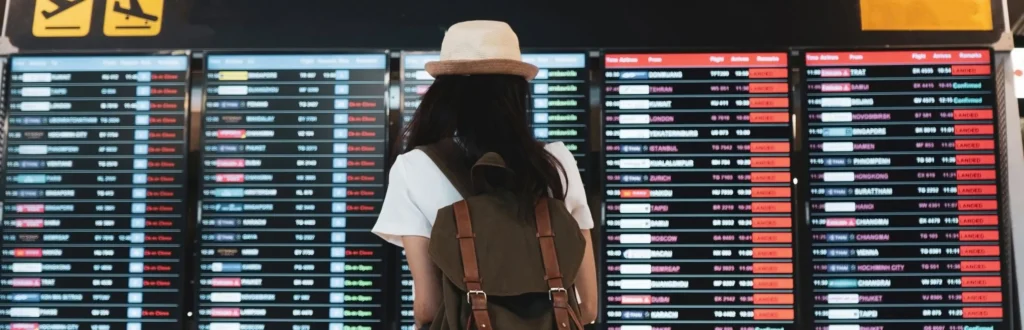
Arriving at the airport rushed and stressed can carry that tension straight onto the plane. Give yourself extra time to clear security calmly, grab some water, and spend a few quiet minutes before boarding. A short massage or spa treatment can also help ease physical tension and create a mental transition from a busy travel day to time to rest.
You don’t need a complicated ritual to prepare for sleep. Put your phone on airplane mode and dim the brightness, then take a few slow, deep breaths, breathing in for four counts and out for six. A sleep mask and noise-canceling headphones or earplugs can help block out light and noise, making it easier to settle into a restful state.
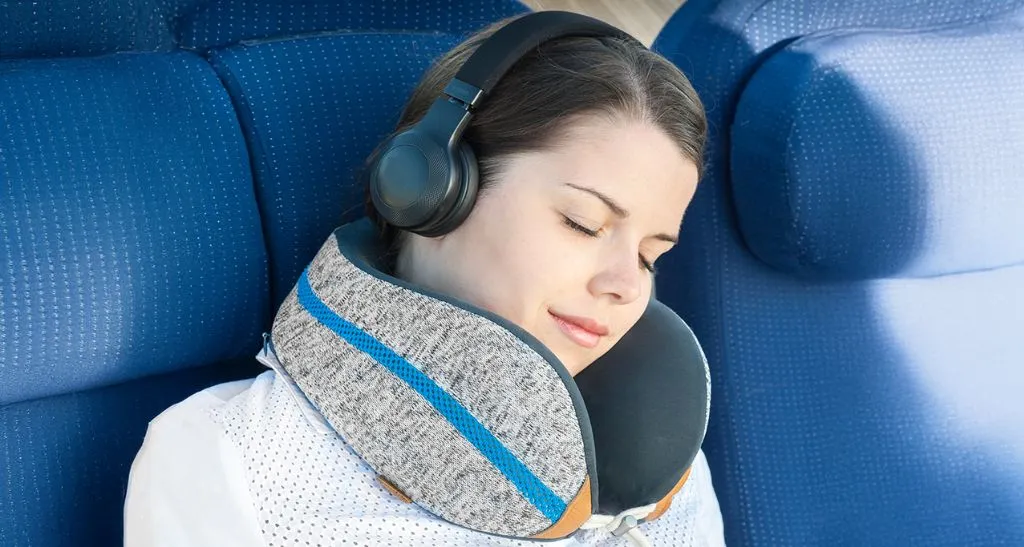
Small comfort choices can make a big difference on a long-haul flight. Dress in layers so you can easily adjust to changing cabin temperatures and choose a supportive travel pillow to keep your neck comfortable throughout the journey. Be Relax offers a great range of travel pillows adapted to different needs, helping you find the right support for a more comfortable flight. Recline when possible but focus on getting quality rest rather than expecting a full night’s sleep. Limiting screen use before your intended sleep window can also help your mind wind down and prepare for rest.
Final Approach: Land Feeling Like Yourself
A red-eye doesn’t have to mean arriving depleted. Travel fatigue is largely manageable when you address it on both fronts physical tension and mental noise before you ever board. A calmer body and a quieter mind make it far easier to get real rest mid-air, even in an economy seat.
If you have even fifteen minutes before your gate closes, consider using it well. A short spa massage at Be Relax can help you unwind before boarding, easing muscle tension and leaving you better prepared for a restful flight.